

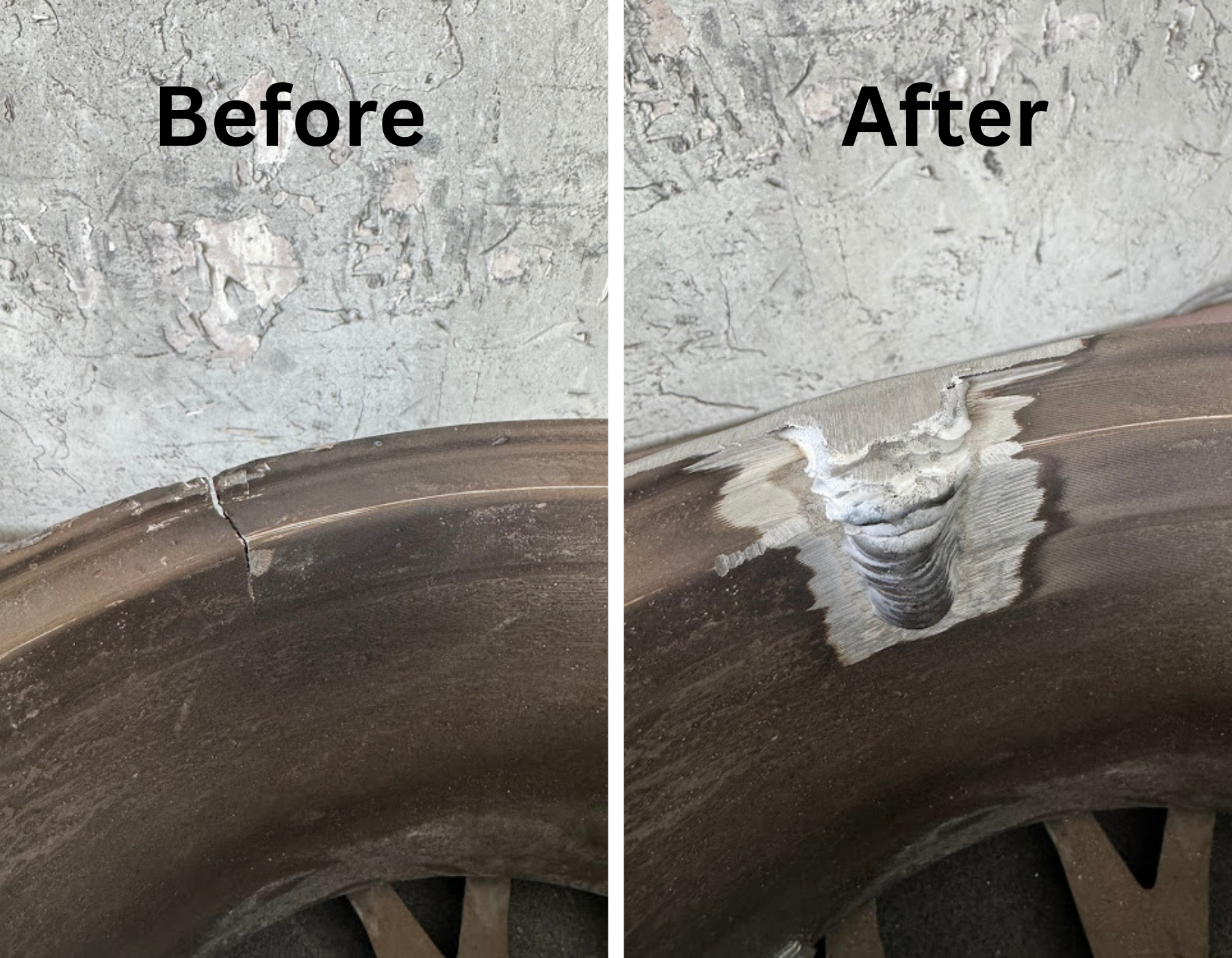
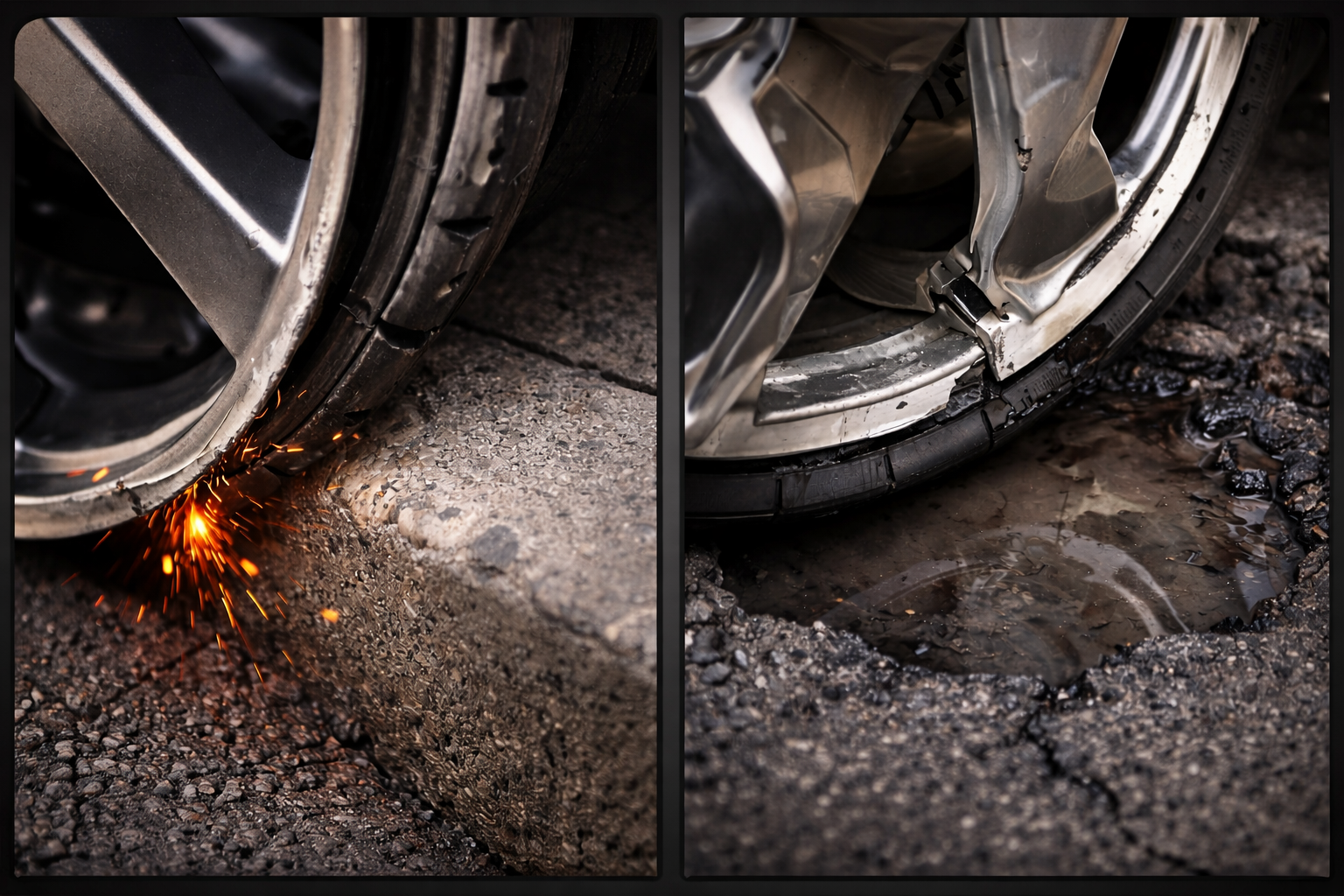
Damaged rims change more than just your car’s look—they change how it actually feels on the pavement. From that sudden “crunch” against a curb to the jarring impact of a deep pothole, your wheels are exposed to regular wear during daily driving.
When damage shows up, fixing it early is about more than just vanity; it can support safe handling, ride efficiency, and reduce unnecessary strain on suspension components. This is where professional rim repair comes into play as a vital part of maintaining proper wheel condition. Whether you are dealing with a jagged scrape or a structural bend, handling it quickly can limit further damage.
It’s easy to look at a small scuff and think it’s cosmetic. However, even minor rim issues can gradually lead to more serious problems. A small bend in the metal might seem harmless but can compromise the seal between tire and rim.
A rhythmic shaking in the wheel, especially at highway speeds, indicating a balance or structural issue.
Tires balding on one side because the rim is out of alignment, drastically shortening tire life.
Finding tire pressure low every few mornings is often a sign of a compromised bead seal.
A "bumpy" ride that wasn't there before suggests the rim is no longer perfectly circular.
Rims are tough, but not invincible. Most drivers need rim repair due to everyday road hazards such as curbs, where misjudging a tight turn or parallel parking spot can easily cause damage. Potholes are another classic culprit, capable of bending metal in an instant, especially at higher speeds. Road debris like rocks or construction waste can strike the wheel face and leave dents or cracks. Over time, winter salt also plays a role, as it causes corrosion that slowly eats away at the rim’s finish and weakens its structure.
Not all damage is equal. Understanding the difference helps determine repair methods.
Cosmetic issues affect the “face” of the rim, like scratches, curb rash, or peeling clear coats. These look bad but don’t necessarily make the car unsafe.
Structural issues are more serious. Bent edges, flat spots, or warping affect the “roundness” of the wheel. An out-of-round wheel won’t rotate smoothly.
If you notice vibration, a flat spot, or repeated low-pressure warnings, act now. Early attention prevents a small bend from turning into a cracked wheel or serious safety risks.
Avoid abrasive automatic car washes. Use a pH-balanced cleaner instead of harsh acids and monitor tire pressure regularly to extend the life of your repair.
Professional Rim Repair & Restoration Services